
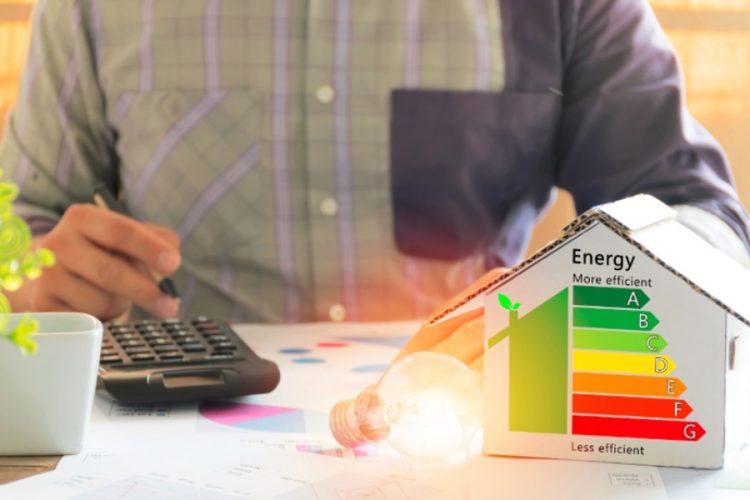
Building energy analysis for beginners is a simple way to understand how much energy a building will use before it is built or renovated. It helps architects, designers, and builders plan smarter buildings that use less electricity, reduce waste, and lower costs. Today, energy modeling is very important because buildings use a large part of the world’s energy, so improving design early can make a big difference.
What Energy Modeling Means in Simple Terms
Energy modeling is the process of using computer tools to predict how a building will use energy. It looks at things like walls, windows, air systems, lighting, and even how people use the building. The goal is to find out how to make the building more efficient before it is even finished.
Instead of guessing, professionals use data and simulations to see how design choices affect energy use.
Helping the Environment
One of the biggest reasons energy modeling is important is to protect the environment. When a building is designed well, it uses less electricity and fuel. This means fewer harmful gases are released into the air.
Simple design changes can help a lot, such as:
- Better wall and roof insulation
- Smart placement of windows for natural light
- Energy-saving cooling and heating systems
These changes help reduce pollution and support a cleaner planet.
Saving Money Over Time
Energy modeling also helps save money. When a building uses less energy, electricity bills become lower. It also helps reduce repair and maintenance costs because systems run more efficiently.
During construction, energy modeling can also help choose cheaper but still effective materials and designs. Over time, these savings become very important for building owners.
Following Rules and Standards
Many countries now have rules about how much energy a building can use. Energy modeling helps ensure that a project follows these rules before construction even begins.
It can also help buildings qualify for green certifications, which make them more valuable and trusted in the market.
Step 1: Collecting Information
The first step is gathering all important details about the building. This includes:
- Building shape and design
- Materials used for walls, windows, and roofs
- Heating, cooling, and lighting systems
- How people will use the building
- Local weather conditions
The more accurate the information, the better the results will be.
Step 2: Choosing the Right Software
Next, professionals choose a software tool to run the energy simulation. Different tools have different features, so the choice depends on the project needs.
A good tool should be:
- Easy to use
- Accurate in results
- Able to handle different building types
- Compatible with design files
Step 3: Building the Energy Model
At this stage, all collected data is entered into the software. The system then creates a digital version of the building.
The model includes:
- Walls, windows, and structure
- Air conditioning and heating systems
- Lighting setup
- Usage patterns
Once complete, simulations are run to see how the building performs in different conditions.
Step 4: Studying the Results
After running the model, the software shows how much energy the building will use.
Experts then:
- Look for areas that use too much energy
- Check weak points in design
- Compare different design options
- Find the most efficient solution
This step helps turn data into useful decisions.
Step 5: Improving the Design
Energy modeling is not a one-time process. It is repeated many times to improve the design.
Each time, changes are made such as:
- Upgrading systems
- Changing materials
- Adjusting building layout
Then the model is run again to see if the changes work better.
Tips for Better Energy Modeling
To get the best results, professionals should:
- Work with all team members early
- Stay updated with new tools and methods
- Use technology to improve accuracy
- Keep testing and improving designs
Conclusion
Energy modeling is a powerful tool that helps create smarter, cleaner, and more cost-friendly buildings. It allows designers and builders to make better decisions before construction starts. By using energy analysis from the beginning, even beginners can help create buildings that save energy, protect the environment, and reduce long-term costs.